

The relationship between deregulation and firm volatility
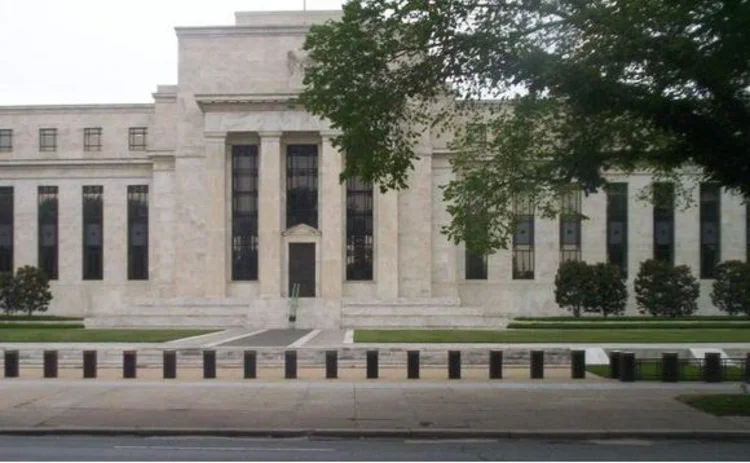
Firms that depend on the banking sector get wider access to finance after deregulation, according to a paper from the Federal Reserve. ‘Firm volatility and banks: Evidence from US banking deregulation', published in November, finds this to be the case based on evidence from state-level banking deregulation in the 1980s.
The paper shows that firm-level employment, production, sales and cash flows demonstrated reduced volatility after interstate deregulation, especially in the case of firms that had limited access to external means of finance.
It finds that the stabilising effect of deregulation is related to firms' ability to exploit credit in smoothing out idiosyncratic shocks. Using a multifactor model of stock returns, it also shows that the idiosyncratic component of stock volatility declines on the back of deregulation.
The authors argue their results indicate that the increase in long term firm-level volatility that is documented elsewhere could have been steeper in the absence of deregulation.
Click here to read the paper
Only users who have a paid subscription or are part of a corporate subscription are able to print or copy content.
To access these options, along with all other subscription benefits, please contact info@centralbanking.com or view our subscription options here: subscriptions.centralbanking.com/subscribe
You are currently unable to print this content. Please contact info@centralbanking.com to find out more.
You are currently unable to copy this content. Please contact info@centralbanking.com to find out more.
Copyright Infopro Digital Limited. All rights reserved.
As outlined in our terms and conditions, https://www.infopro-digital.com/terms-and-conditions/subscriptions/ (point 2.4), printing is limited to a single copy.
If you would like to purchase additional rights please email info@centralbanking.com test test test
Copyright Infopro Digital Limited. All rights reserved.
You may share this content using our article tools. As outlined in our terms and conditions, https://www.infopro-digital.com/terms-and-conditions/subscriptions/ (clause 2.4), an Authorised User may only make one copy of the materials for their own personal use. You must also comply with the restrictions in clause 2.5.
If you would like to purchase additional rights please email info@centralbanking.com test test test
More on Banking

DBS becomes Singapore’s second RMB clearing bank
PBoC and MAS agree to deepen collaboration on securities, e-CNY and other areas
RBNZ seeks regulatory powers over payments system
Central bank says New Zealand’s High Value Clearing System currently poses significant risks

Thailand approves its first virtual banks
Thai, South Korean and Chinese firms will operate online-only lenders, central bank announces

FDIC vice-chair heralds likely changes under Trump 2.0
Hill suggests looser regulation and ignoring climate risks will be focus under new administration

ECB and EBA establish new bank supervisory committee
New body aims to harmonise supervisory, resolution and statistical reporting
FCA official confirms end of ‘temporary permissions regime’
European firms must have UK regulatory approval by December 30

Jamaica ‘twin peaks’ law coming in 2025, official says
Central bank will oversee non-bank sector after scandal at securities firm
FDIC to review sexual misconduct and discrimination allegations
Agency promises ‘independent review’ as chair faces charges of improper behaviour